
This case started from an overseas RFQ for a K10 micromotor with a strict target cost and later developed into a practical engineering and production-support project.
The work covered sample matching, motor testing, no-oil improvement, resistance and voltage requirements, pin/cable/socket variants, dimensional checks and batch production coordination.
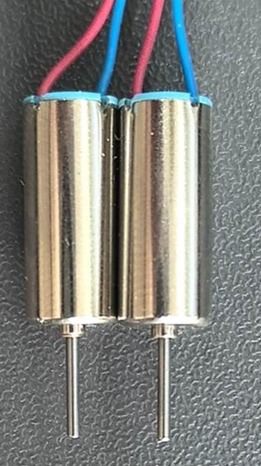
Customer RFQ and Initial Sample Matching
The buyer was already purchasing similar motors and needed a cost-controlled alternative for their own product assembly. The first RFQ target was clear: match the required micromotor performance while keeping the cost competitive for larger-volume use.
We first provided a K10 motor reference and confirmed the approximate performance direction, including a 25,000 rpm reference. After the buyer requested a datasheet, we prepared specification information and tested multiple samples before couriering the first set.
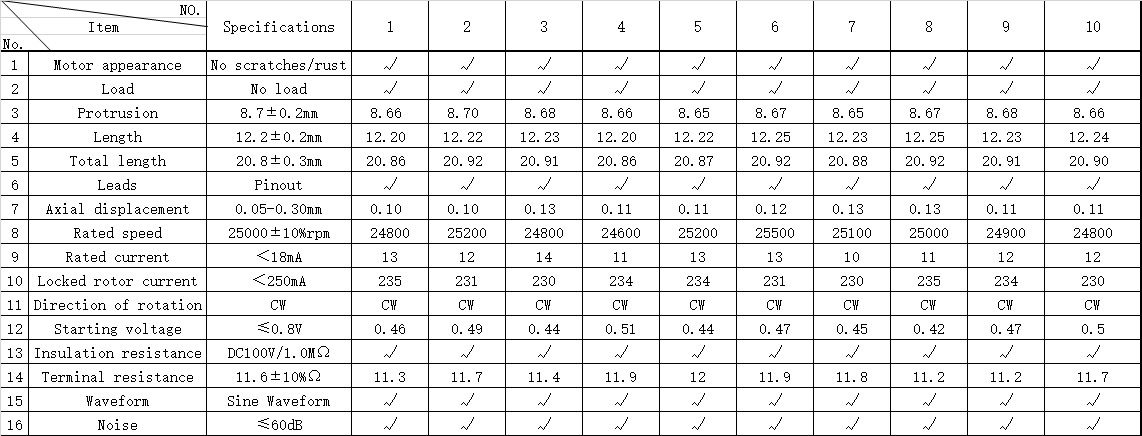
Feedback After Sample Testing
After receiving and checking the first samples, the buyer reported practical issues: oil inside the motor and insufficient performance for their application. They also clarified a preferred resistance target and operating voltage.
- The existing samples contained oil, while the buyer’s current motors did not.
- The buyer requested a target around 10 Ω; the received samples were closer to 11–12 Ω.
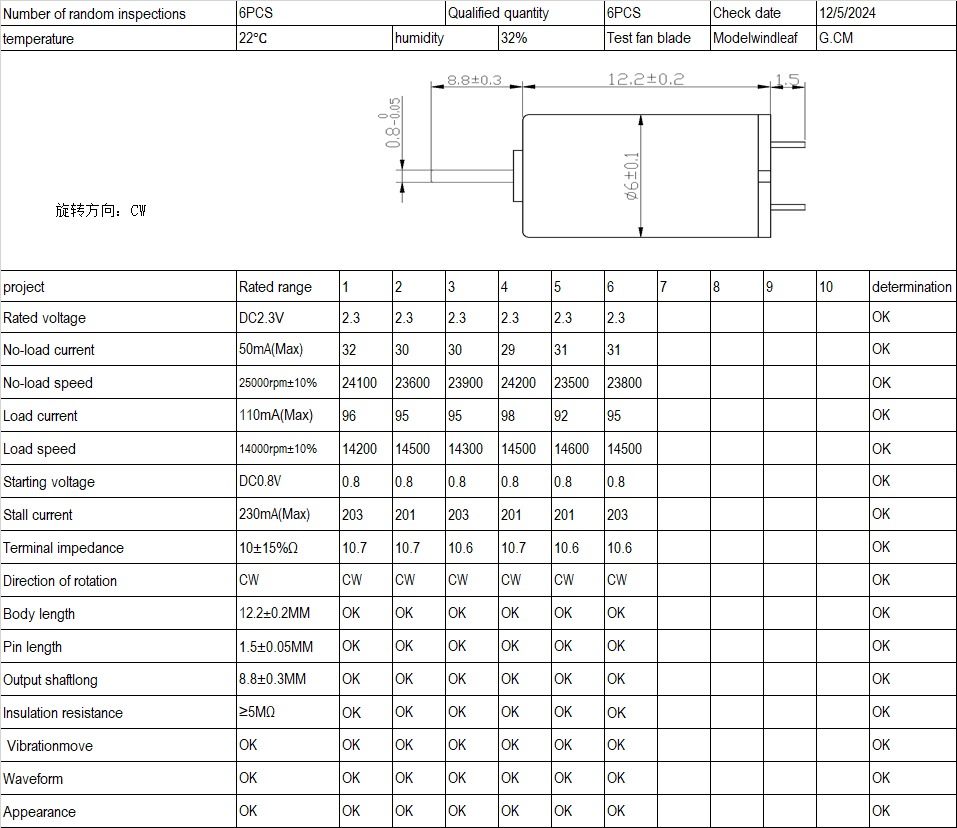
- The application voltage was confirmed as 2.3 V.
- The motor had to fit the buyer’s existing product assembly and production process.
Based on this feedback, we treated the project as an engineering adjustment rather than a simple replacement order. The motor specification, lubrication condition and sample validation were reviewed again before the next sample stage.
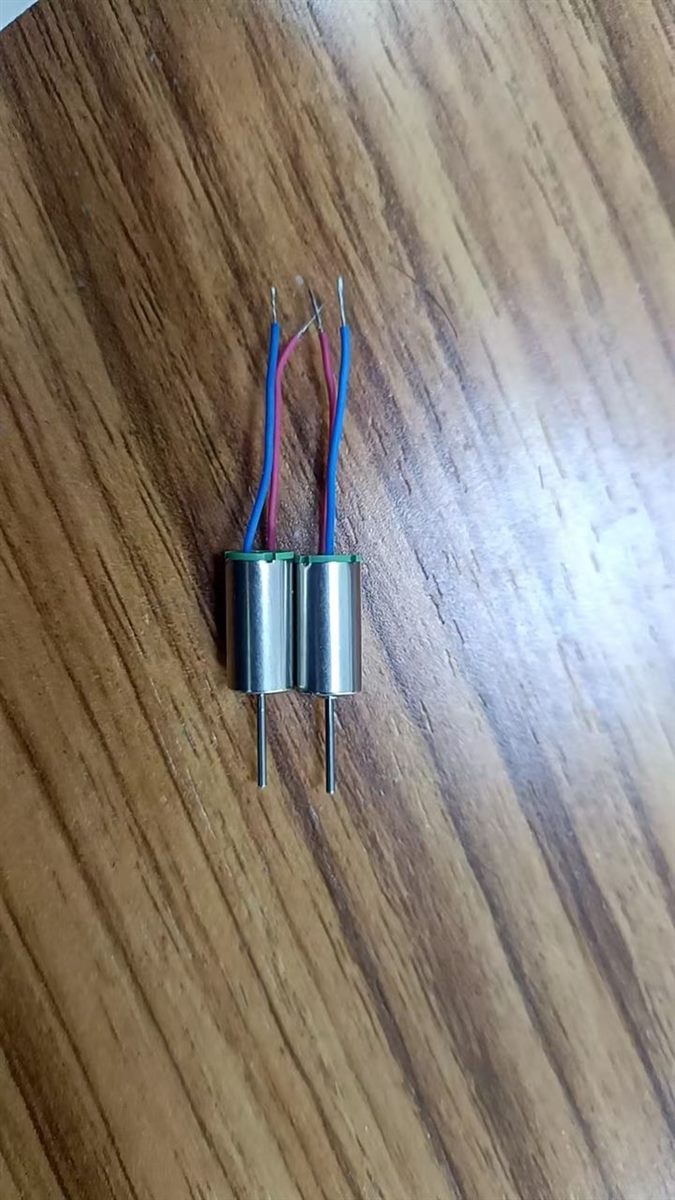
Pin, Cable and Socket Variants
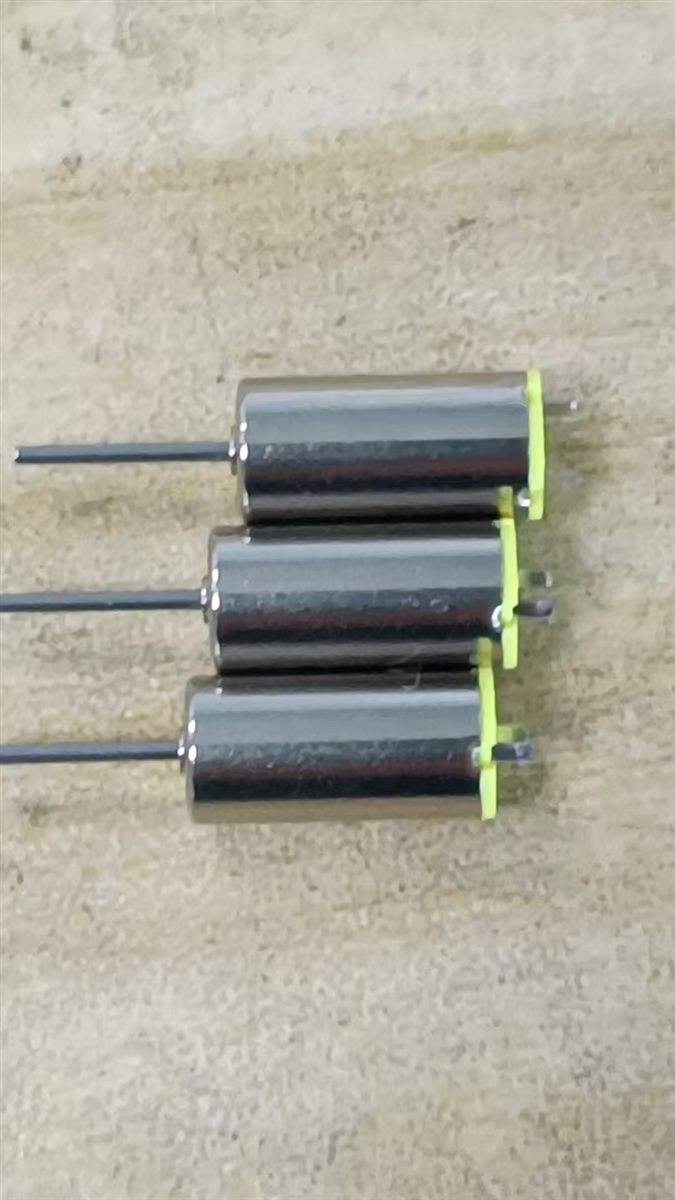
After the initial motor verification, the project expanded from the motor body itself to the way the motor would be connected inside the buyer’s product. The buyer requested different versions: motor with pin, motor with cable, cable with socket and matching connector sets.
This stage was important because the final problem was not only motor performance. The connector and socket fitting also had to match the buyer’s assembly method.
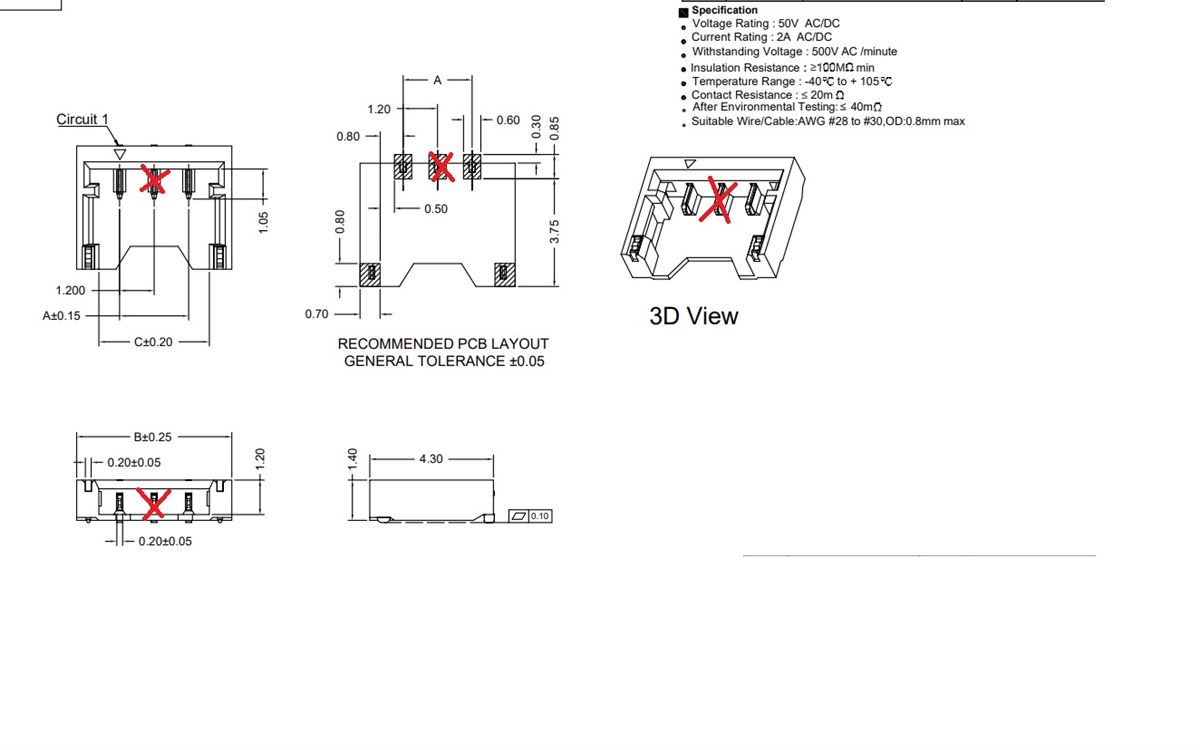
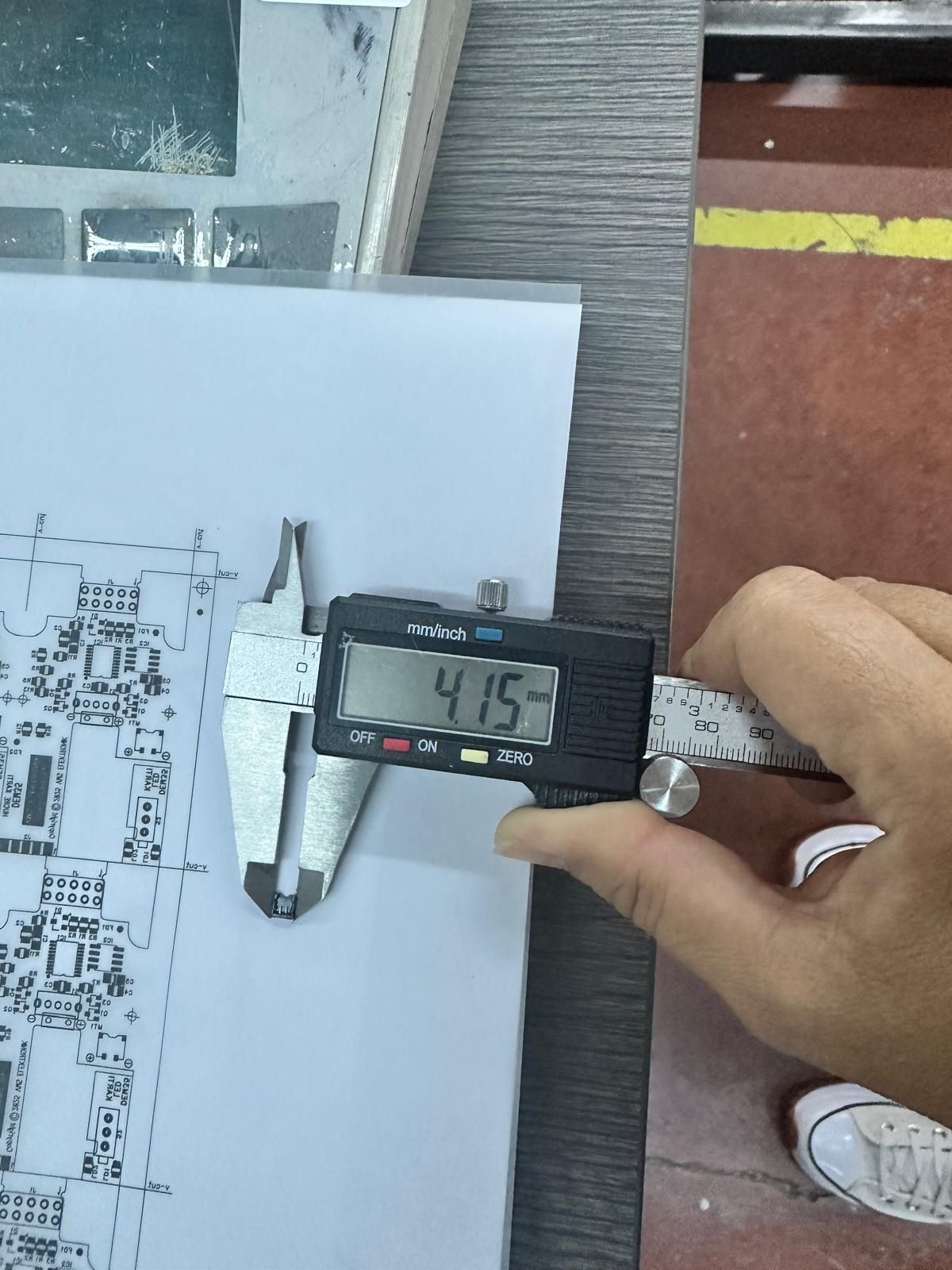
Dimensional Checks and Connector Improvement
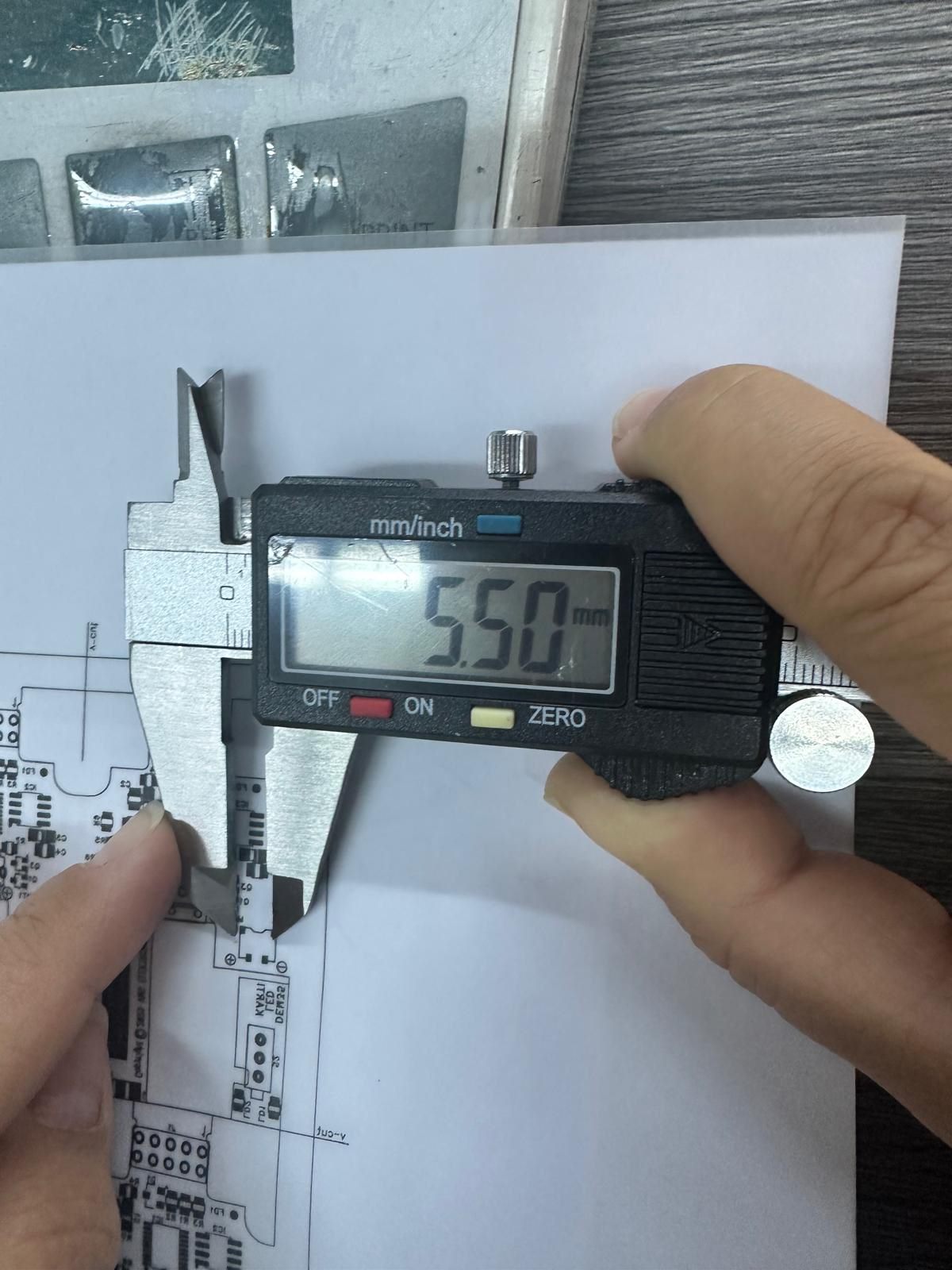
During assembly testing, the buyer found socket and terminal fitting issues. The discussion moved into dimensional verification and supplier improvement. We checked the dimensional difference between the technical document and the actual sample, then prepared additional verification samples to help the buyer confirm the revised direction.
Batch Production and Repeat Orders
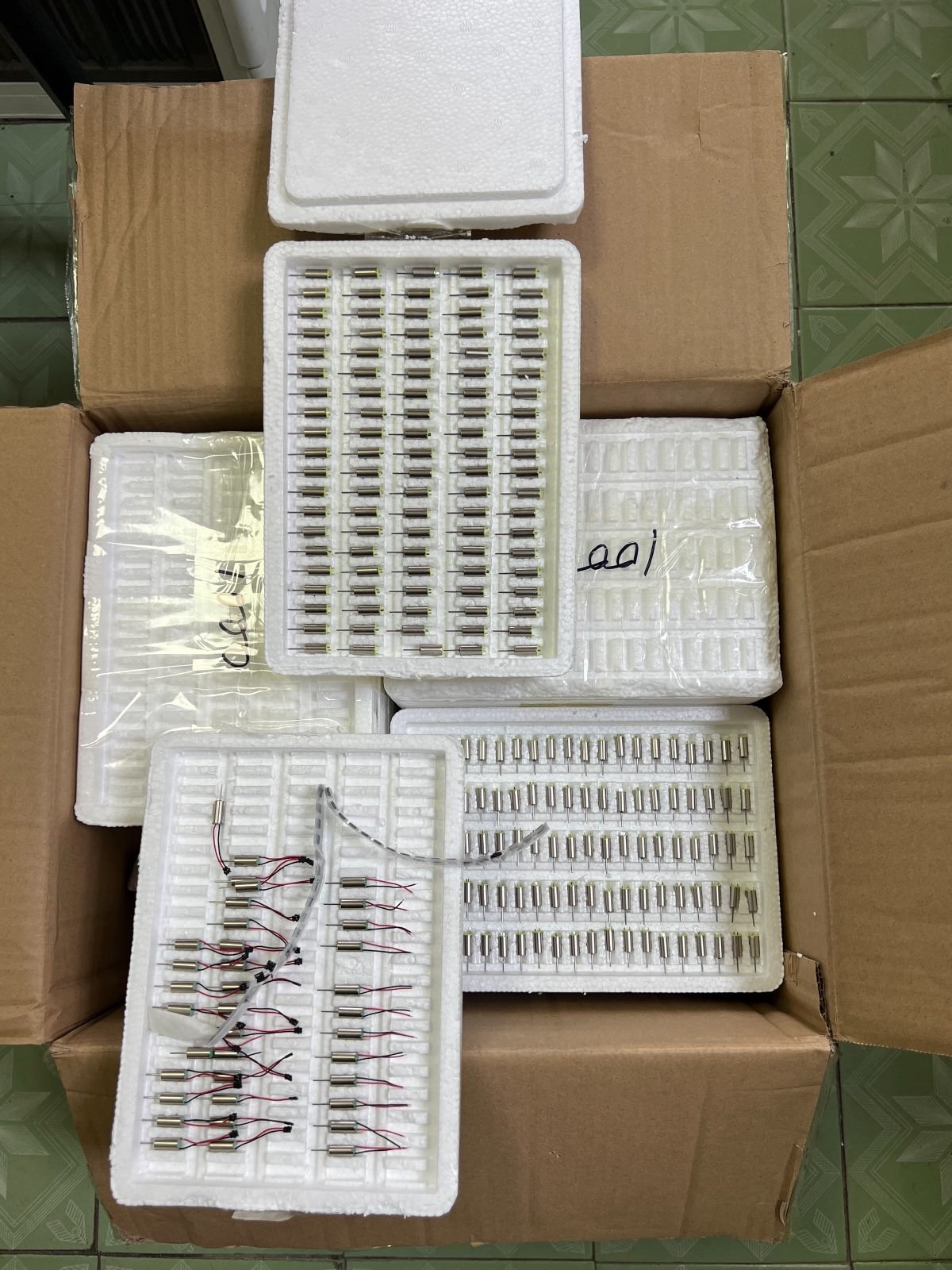
After sample rounds and production coordination, the project moved into batch orders. The communication included 1,000 pcs test order planning, 3,000 pcs shipment coordination, 10,000 pcs order discussion and later 20,000 pcs production planning.
For a custom component like this, production planning was as important as the unit price. Lead time, raw material preparation, split shipment, free replacement samples and customer production schedule all had to be managed together.
Later Custom Terminal Motor Direction
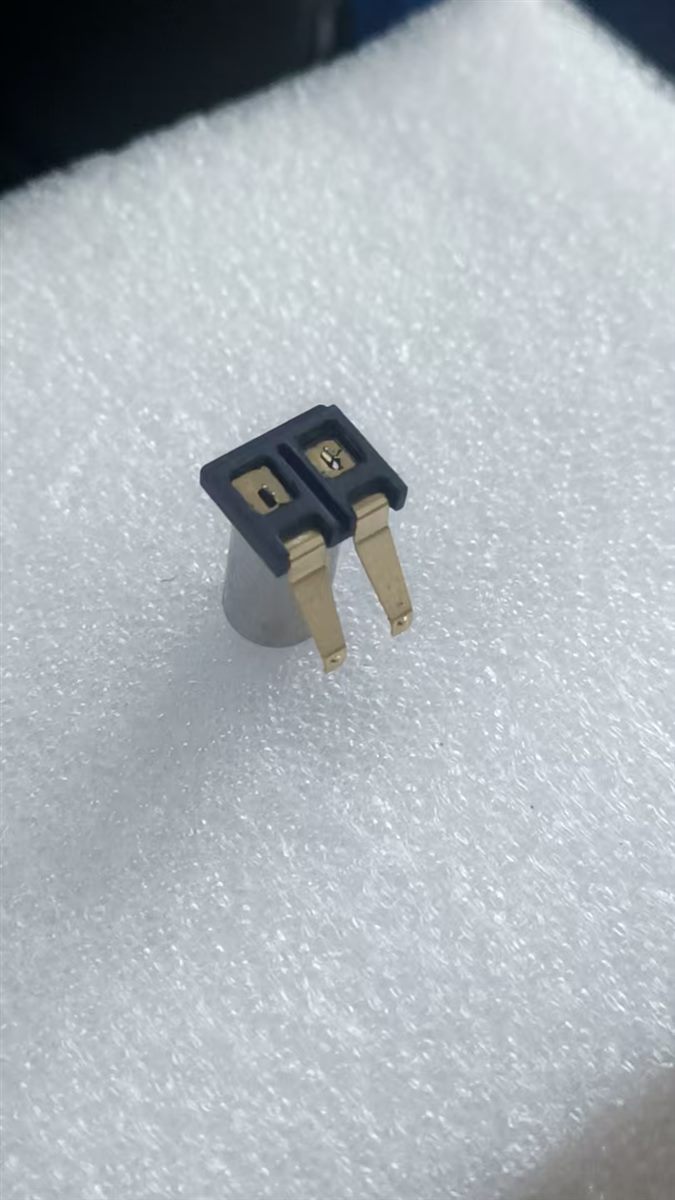
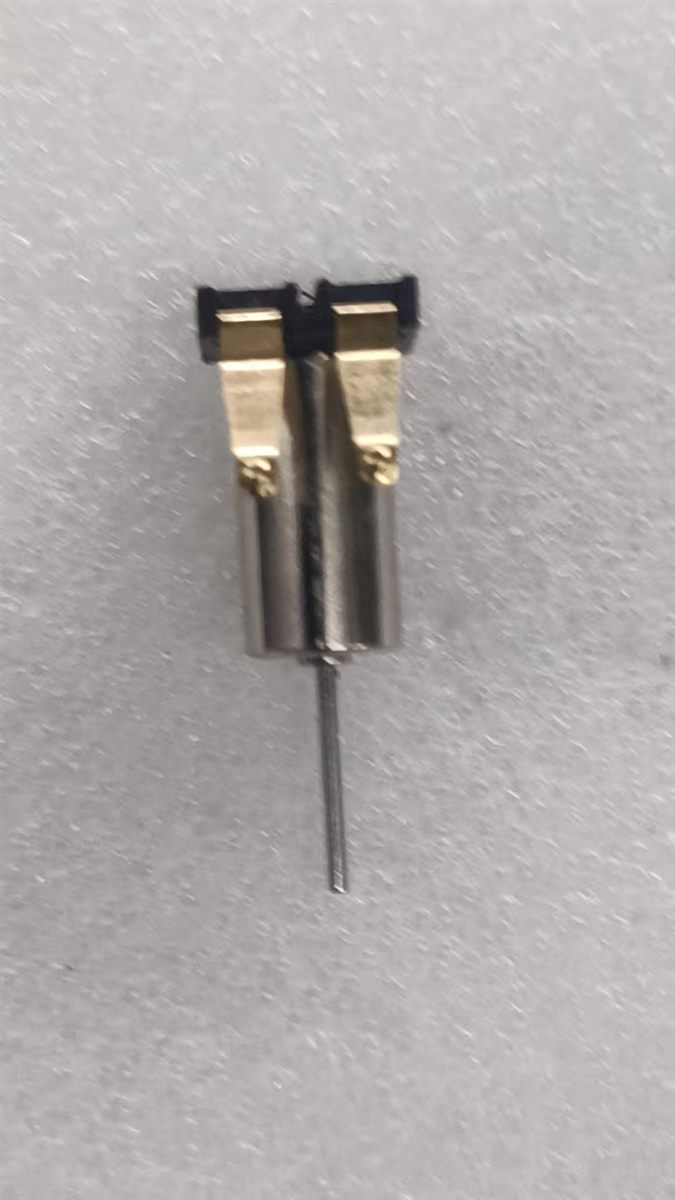
As the buyer’s production needs evolved, the project also moved toward a customized terminal motor version. The new direction involved a plastic socket, terminal adjustment, inward-bent motor pins and sample cost discussions before larger orders.
This is a typical B2B RFQ development path: the first purchase starts from a small component, but the real value comes from engineering response, sample iteration and stable production support.
What This Case Shows
RFQ review with target cost
We started from the buyer’s target price and application requirement, then selected and tested a possible K10 micro motor direction.
Sample testing and specification improvement
Feedback about oil, performance, resistance and voltage was converted into a clearer engineering requirement for the next sample stage.
Assembly-level customization
The project moved beyond the motor itself into cable, pin, socket, terminal and plastic part requirements needed by the buyer’s product assembly.
Batch production support
We supported sample shipment, packing, production lead time, split-order planning and batch quantity preparation from thousands to tens of thousands of pieces.
Need a custom micro motor or small electromechanical component?
Send your RFQ, target cost, current sample photos, voltage/current/resistance requirements, connector details and expected order quantity. We can help review feasibility, prepare samples and coordinate production in China.