An overseas client contacted us with a new product idea for a personal steam mask vaporizer. The goal was to develop a wearable mask-style humidification device that could direct warm mist or vapor toward the nose and mouth area for personal comfort use.
The client did not start with a finished engineering file. The project began with a product concept, usage expectations, reference ideas, manual drafts and ongoing feedback. Our role was to help turn the idea into a manufacturable product direction through design review, 3D structure development, prototype building, testing feedback and moulding preparation.
For privacy reasons, customer identity, payment details and private communication records are not disclosed.
Customer RFQ Requirements
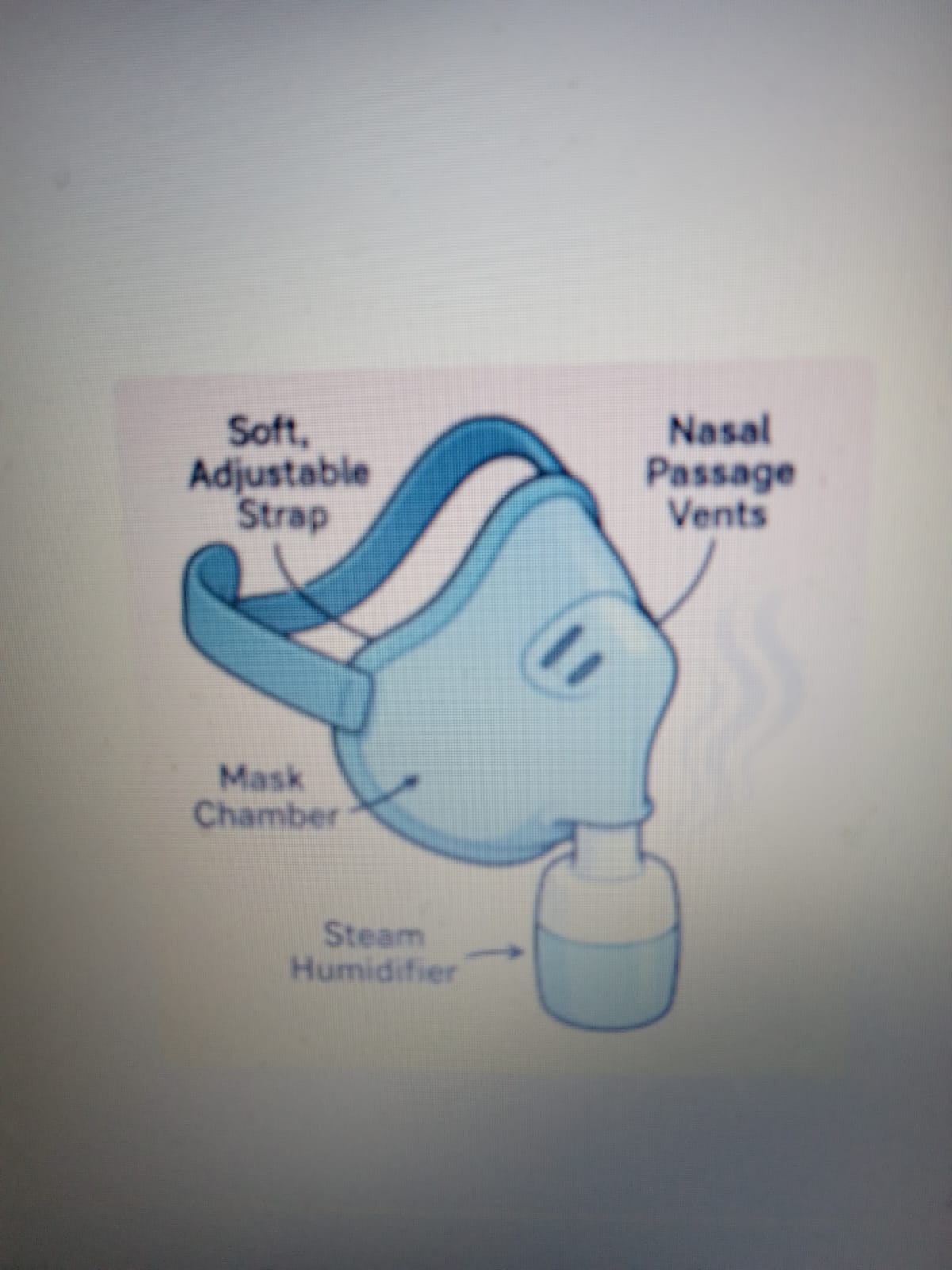
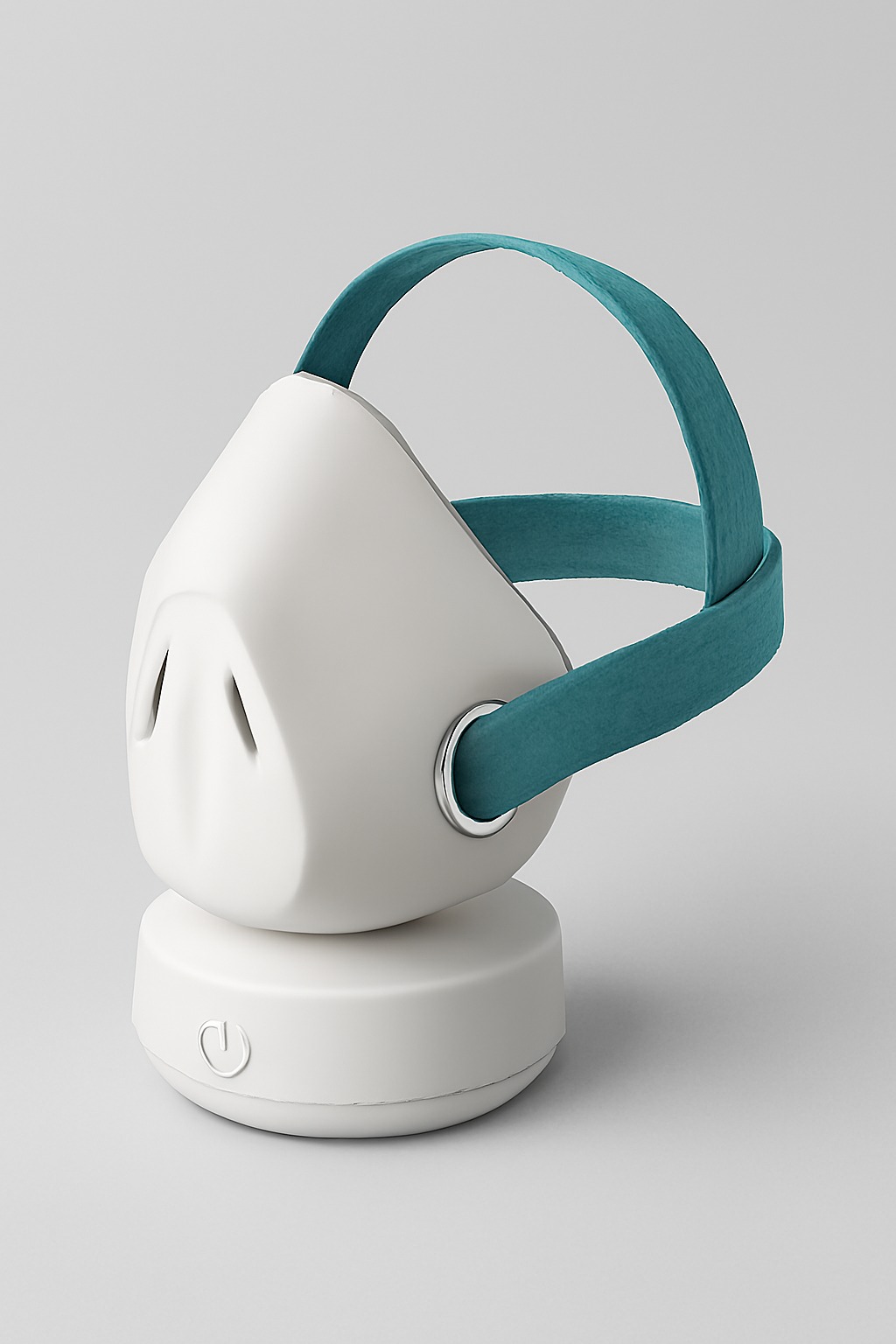
The buyer wanted to develop a new mask vaporizer product with practical engineering support instead of only sourcing a standard item. The requested scope included a mask-style product body, integrated water reservoir, soft face-contact area, strap support, brandable product appearance, 3D design files, manufacturing drawings, functional prototype samples and preparation for later moulding production.
- A mask-style product that can direct steam or mist toward the nasal area.
- A water reservoir or humidifier chamber integrated with the mask body.
- A comfortable face-contact area with soft material around the nose.
- 3D design files, manufacturing drawings and bill of materials.
- Functional prototype samples before mass production.
- Better water sealing to prevent leakage into internal components.
- Battery-powered operation without depending only on a cord.
- User manual content, safety notes and future retail presentation support.
Key Engineering Challenges
Steam / Mist Delivery
The device needed to generate visible vapor and guide it toward the face in a controlled way. The vapor outlet, water path and internal chamber had to be reviewed so the user could feel the steam effect while avoiding unsafe or uncomfortable operation.
Water Leakage Prevention
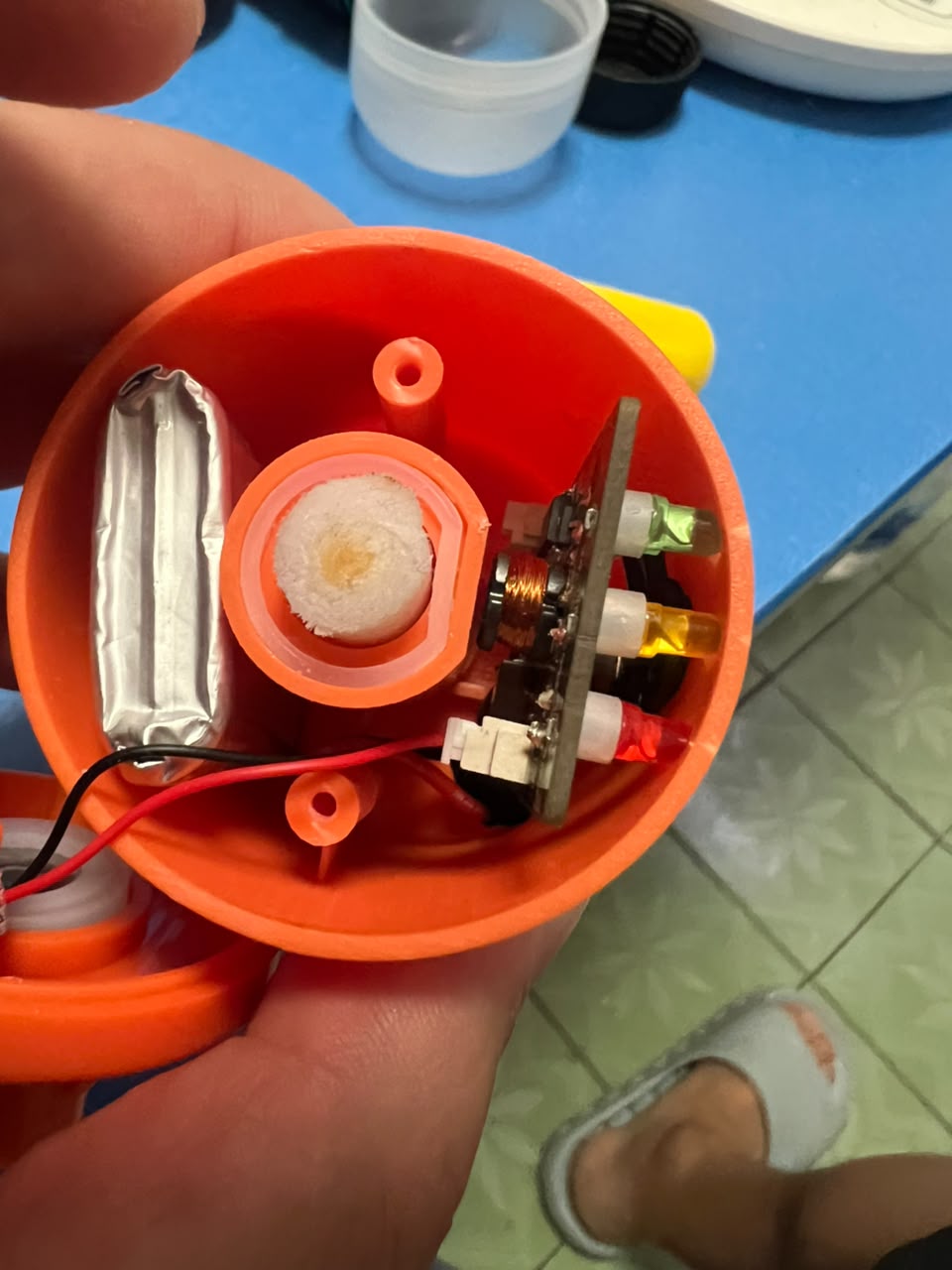
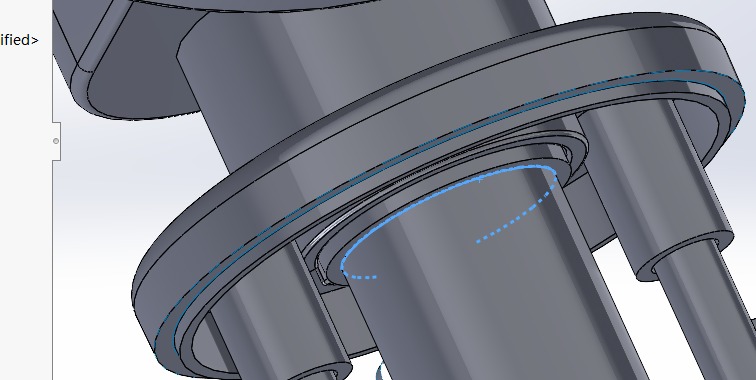
Because the product combines water, vapor and electronics, leakage control became a major development focus. The prototype feedback showed that sealing needed to be improved before moulding. We reviewed the sealing structure, water-proofing points and customized sealing ring to reduce the risk of water entering the PCB area.
Battery and PCB Reliability
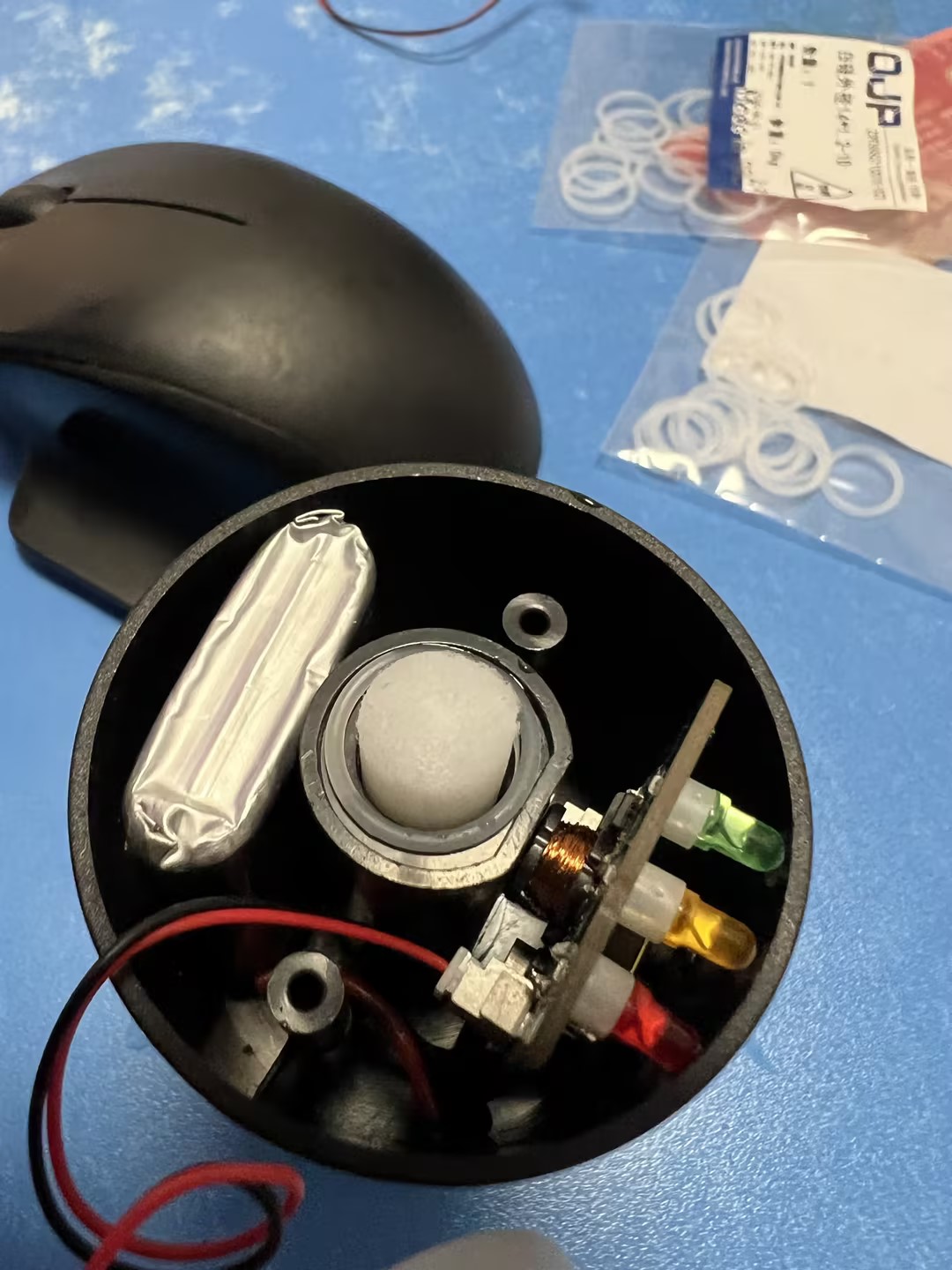
The customer wanted the device to work without always being connected to a cable. During prototype testing, battery connection and PCB reliability became important issues. The engineering solution included improving the battery connection method and reviewing PCB placement so the device could operate more consistently.
Comfort Around the Nose
The nose-contact area needed to feel softer and more comfortable. The early design was adjusted with a longer and thicker silicone contact area so the user would feel the silicone rather than hard plastic behind it.
Design and Prototype Process
The development work moved from concept review to product shape, size, appearance, internal mechanical structure, water reservoir position, vapor outlet direction, face-contact comfort, 2D / 3D drawings, BOM preparation and manufacturing feasibility review.
Prototype Testing and Engineering Revisions
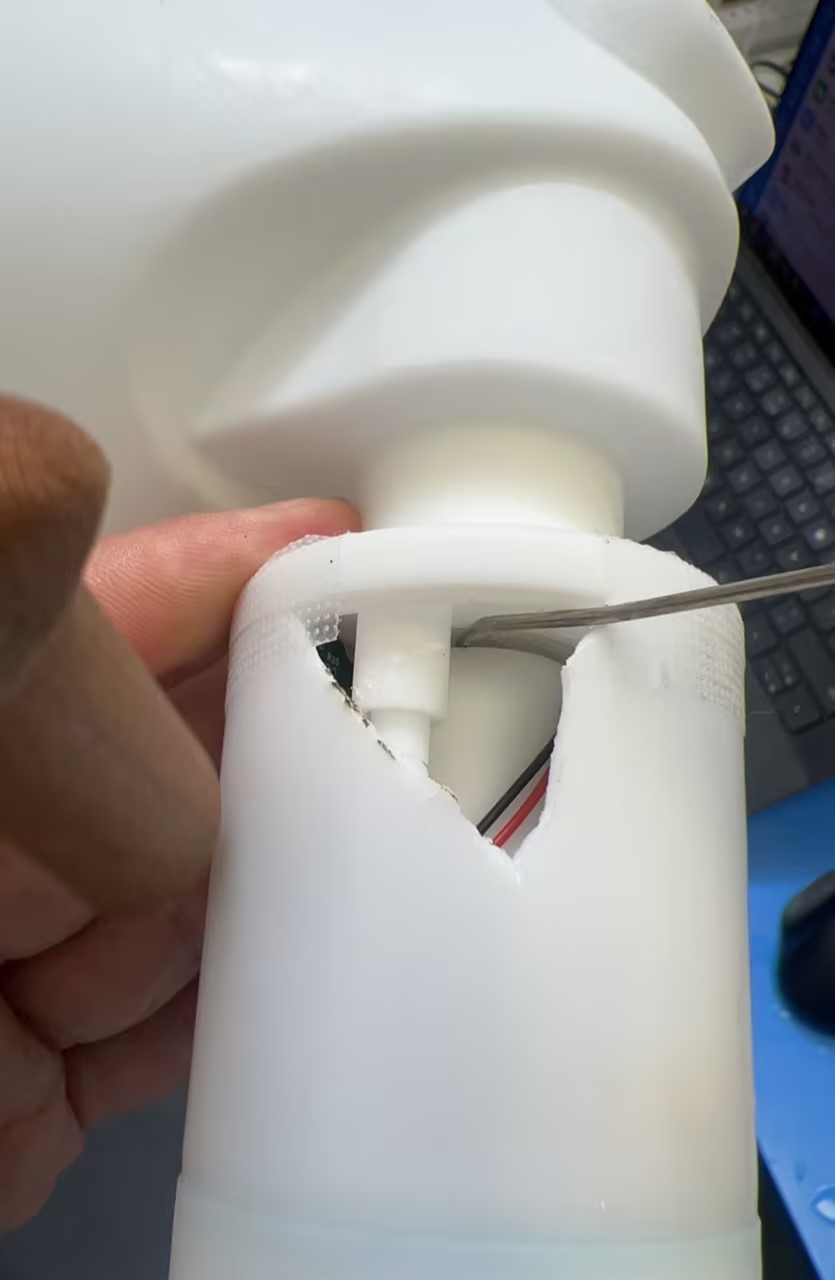
The functional prototype helped verify whether vapor could be generated, whether the device could work with battery power, whether the water path and outlet were practical, whether the face-contact area felt acceptable and whether leakage appeared during use.
Prototype feedback included water leakage concerns, need for longer vapor duration, need for stronger or more consistent vapor output, battery connection concerns, comfort around the nose, reservoir discussion, label requirements and manual requirements.
Prototype vapor output test used to review spray volume and water-proofing improvements.
Sealing Ring and Waterproofing Improvement
A customized sealing ring was developed to improve leakage prevention. The structure was revised to create a better slot for the sealing ring and improve appearance and sealing performance.
Moulding Preparation and Trial Production
Once the updated sample direction was accepted, the project moved toward moulding preparation. This step included final drawing revision, online sample confirmation, moulding preparation, PCB improvement in parallel, trial moulding / injection review and further sealing and appearance checks.
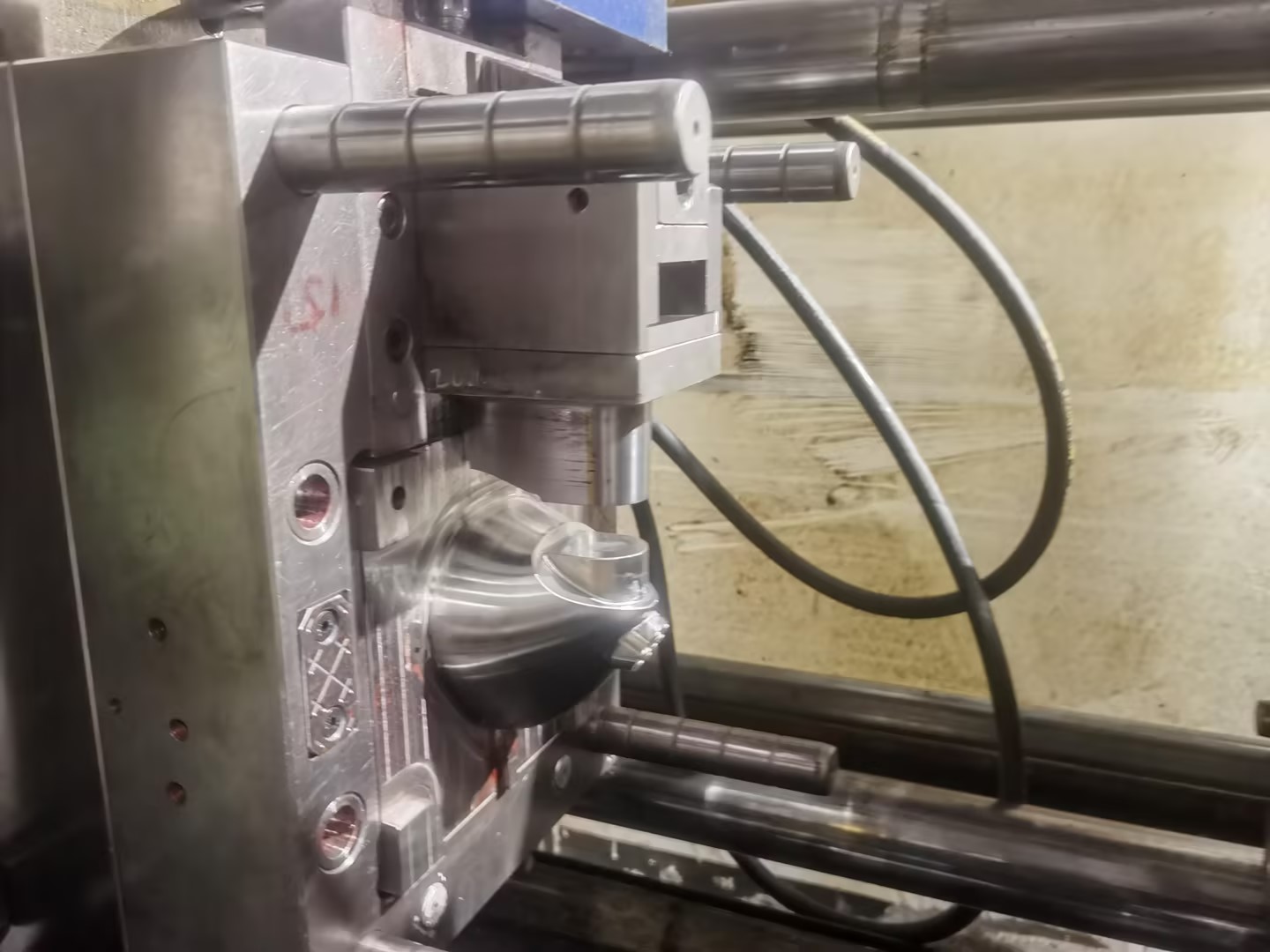
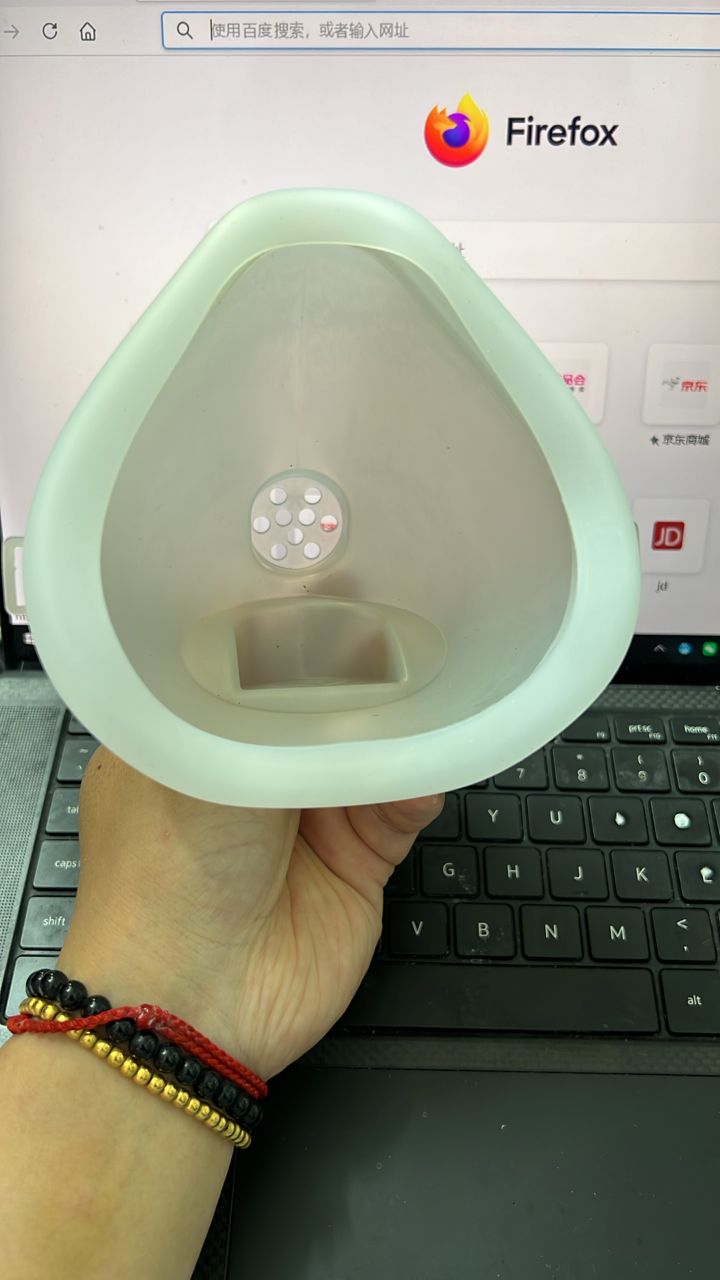
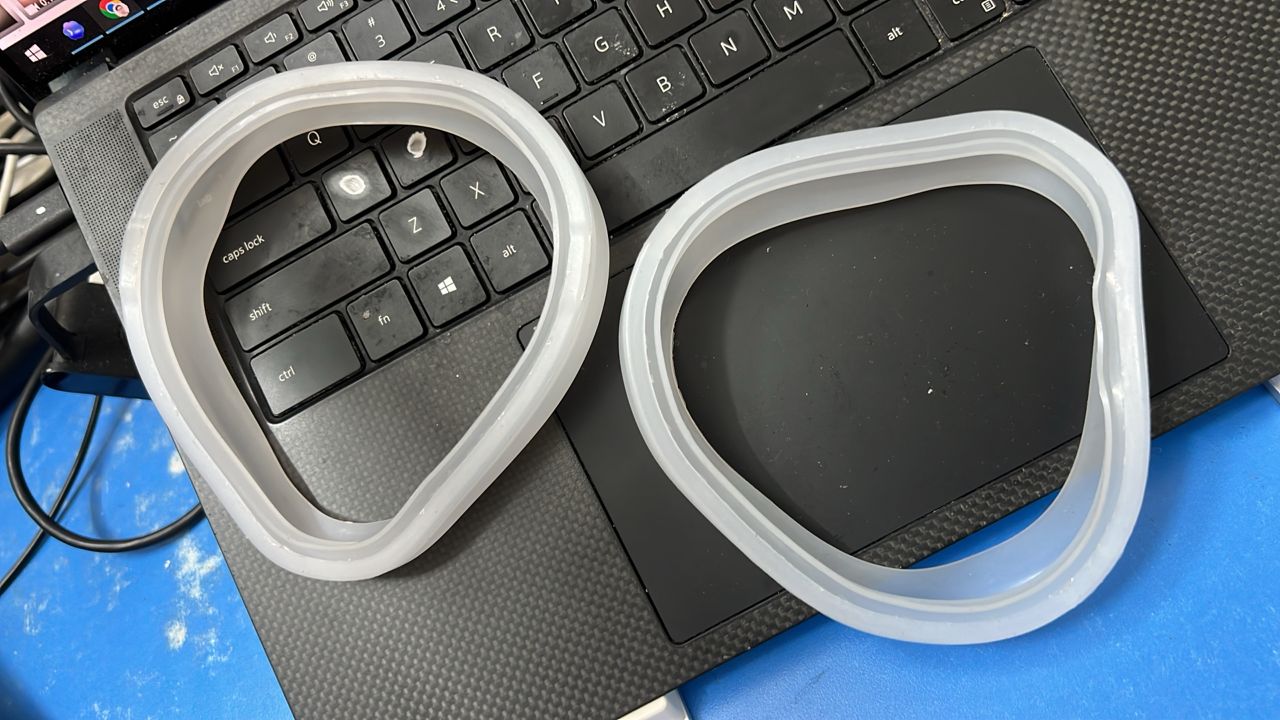
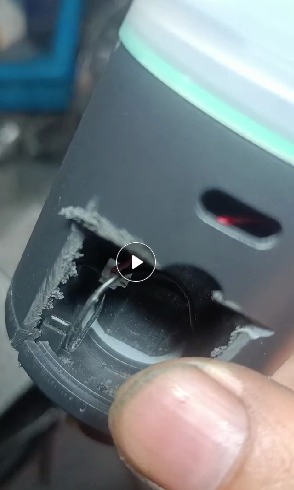
Final water leakage test video showing the updated sealing structure under review.
What This Project Shows
This project is a good example of an RFQ-based product development case where the buyer did not only need a supplier. The buyer needed engineering support from concept to prototype and then toward moulded production.
- Convert an idea into a structured product design.
- Understand the process from design to prototype to mass production.
- Identify technical risks before mould making.
- Improve sealing, PCB protection and battery reliability.
- Prepare product documents, manual content and future production requirements.
- Move from quick prototype toward moulded samples with better quality consistency.
Important Note About Medical or Health Claims
This project involved a personal steam / humidification product concept. Any public marketing claims about asthma, sinus relief, medical treatment, bacteria, virus removal, clinical performance, FDA approval, CE approval or similar health-related benefits should be supported by proper testing, certification and legal review.
For early-stage development, the product should be presented as a prototype or personal wellness / humidification device unless the required regulatory approvals are completed.
FAQ
Can you develop a custom product from only an idea or RFQ?
Yes. We can start from an idea, RFQ, sketch, reference product, sample or functional requirement. The first step is to review feasibility and define the product structure, materials, electronics and production path.
Can you make a functional prototype before mass production?
Yes. For custom products, a functional prototype is usually needed before moulding or mass production. It helps test structure, usability, electronics, sealing, comfort and performance risks.
Why is prototype testing important before making moulds?
Moulds are expensive and difficult to modify after production starts. Prototype testing helps identify problems such as leakage, weak output, uncomfortable structure, unstable battery connection or assembly issues before mould investment.
Can you support water and electronics integrated products?
Yes. We can help review water path, sealing, PCB placement, battery connection, housing structure and assembly method. These projects require careful design because leakage and electronics reliability must be considered together.
Send Your RFQ
Have a custom product idea, RFQ or prototype requirement? Send your drawings, photos, reference product or functional requirements. We can help review feasibility, develop the product structure, build prototypes and prepare for tooling and OEM/ODM production in China.
Send your RFQ to 13120521966@163.com
WhatsApp / WeChat: +86 131 2052 1966
Related service: Custom Product Development & Engineering Support | OEM/ODM Services | Contact us
Leakage Test and Sealing Improvement
During prototype validation, we performed a water leakage test to check the sealing performance around the water tank, vapor outlet and internal assembly joints. This test helped identify possible leakage points before mould adjustment and small-batch production.
The inspection also helped us review the sealing ring position, housing tolerance, assembly pressure, PCB protection area and water path structure. For this type of steam vaporizer product, early leakage testing is important because it reduces the risk of water entering the electronic section during daily use.