
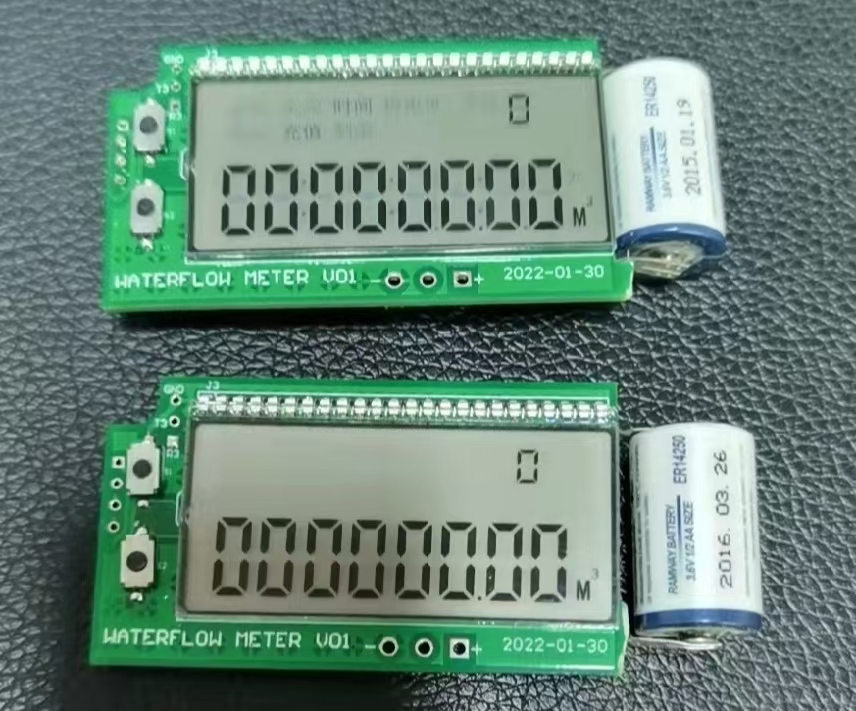
Project overview: This RFQ case involved a compact pulse meter / water flow display device. The buyer needed a low-power product that could read pulse signals from a water meter and display flow information clearly.
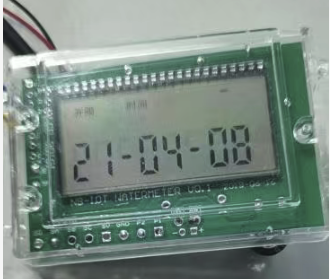
RFQ Background and Functional Requirements
The original request focused on a small pulse-based display unit. The device needed to receive water meter pulse signals, calculate flow information and show the result on a compact LCD display.
Key Engineering Points
This case is relevant for buyers searching for a custom pulse meter, water flow display device, low-power IoT hardware, or custom PCB enclosure development. It connects pulse input, LCD display selection, battery-life requirements, field installation and prototype feedback into one practical product development process.
Main Engineering Challenges
- Low-power design: the LCD, sleep mode and firmware behavior needed to support field use.
- Compact size: PCB, battery, display and wiring had to fit inside a small enclosure.
- Display readability: the screen had to remain readable while keeping the product cost-controlled.
- Field installation: the device needed to work with external pulse wiring and avoid blocking the original meter reading area.
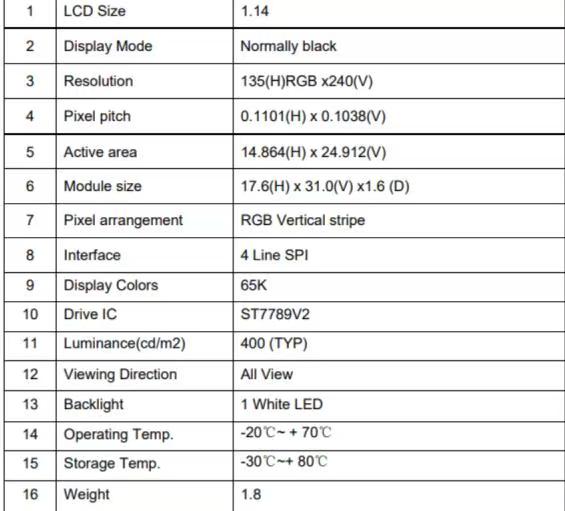
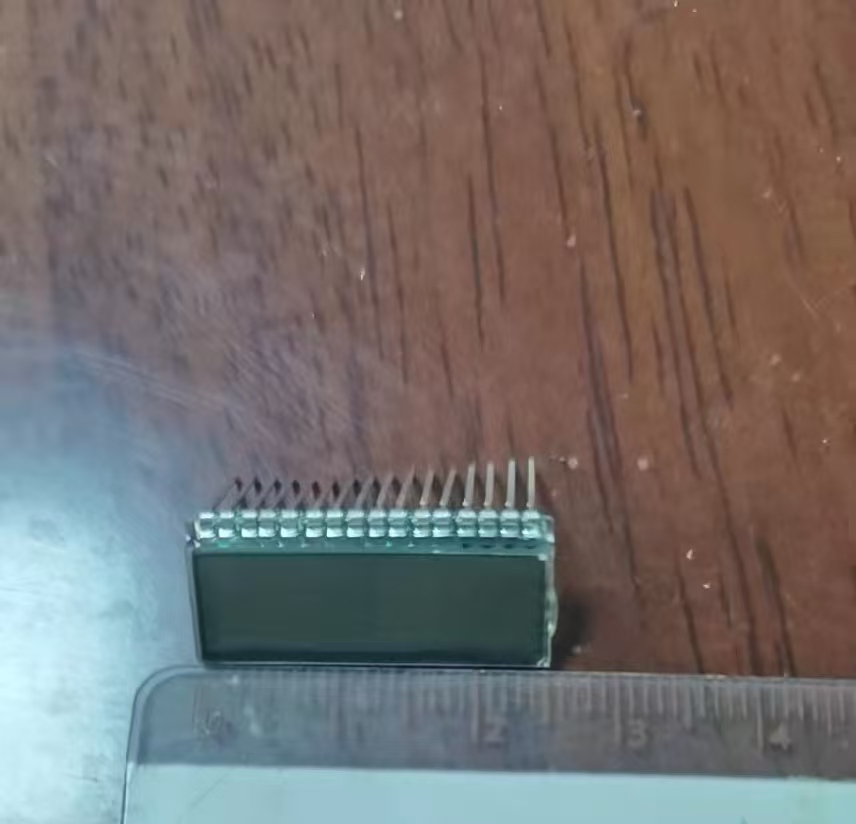
Display and Component Selection
The team reviewed display size, product dimensions and the balance between readability, battery life and production cost before moving into PCB and enclosure development.
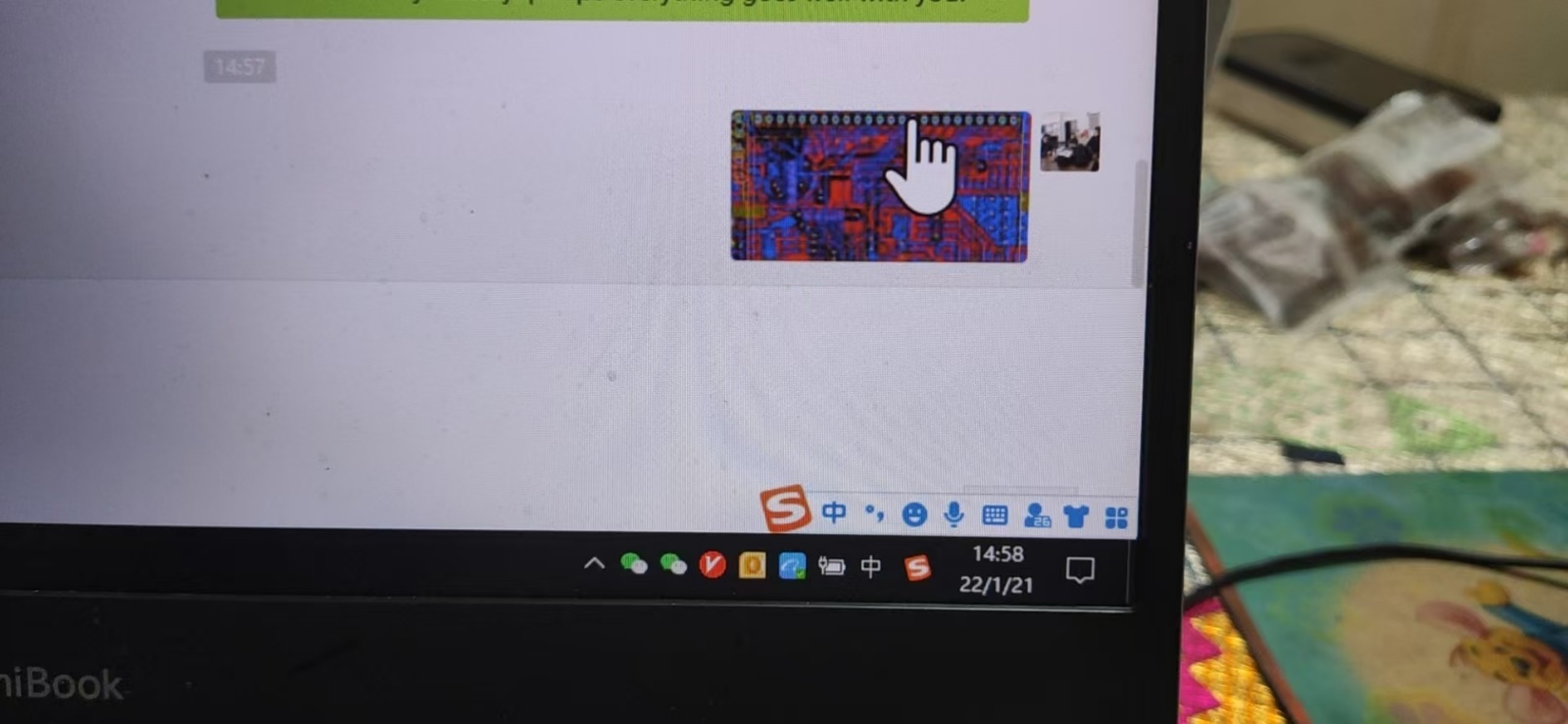
Custom PCB and Enclosure Development
After the basic function was defined, the development moved into PCB layout and housing design. The enclosure needed to support real installation conditions, protect the electronics and keep the display visible.
Prototype Testing and Field Feedback
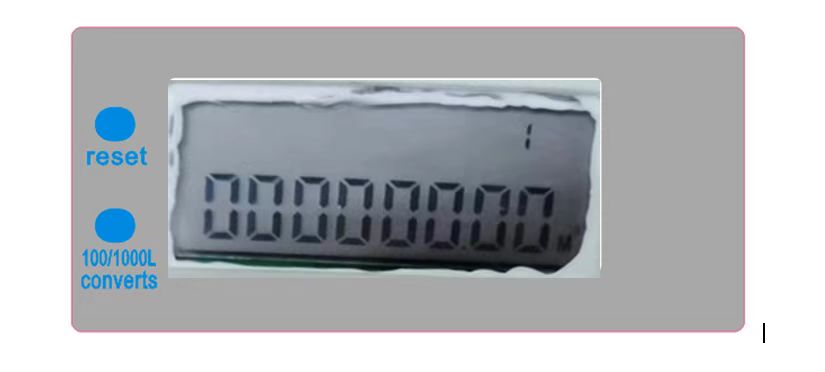
The project moved from design files to physical samples. Sample feedback helped check whether the display, reset behavior, wiring, housing and installation were suitable for the client’s actual use case.
Production Follow-up
After prototype review, the project moved toward production follow-up. The work included confirming design updates, preparing production quantities, reviewing field feedback and keeping the device consistent with the agreed function.
What This Case Shows
- Custom hardware development from RFQ and early product concept.
- Low-power display device design for water meter and pulse meter applications.
- PCB, enclosure and firmware coordination instead of single-part sourcing.
- Prototype feedback loop before production follow-up.
Need a Custom Pulse Meter or Low-Power IoT Device?
Send your RFQ, sketches, product dimensions, target function or prototype photos. We can help review feasibility, define the engineering path, develop samples and support production in China.
Send your RFQ